
Keep support away from the needle field
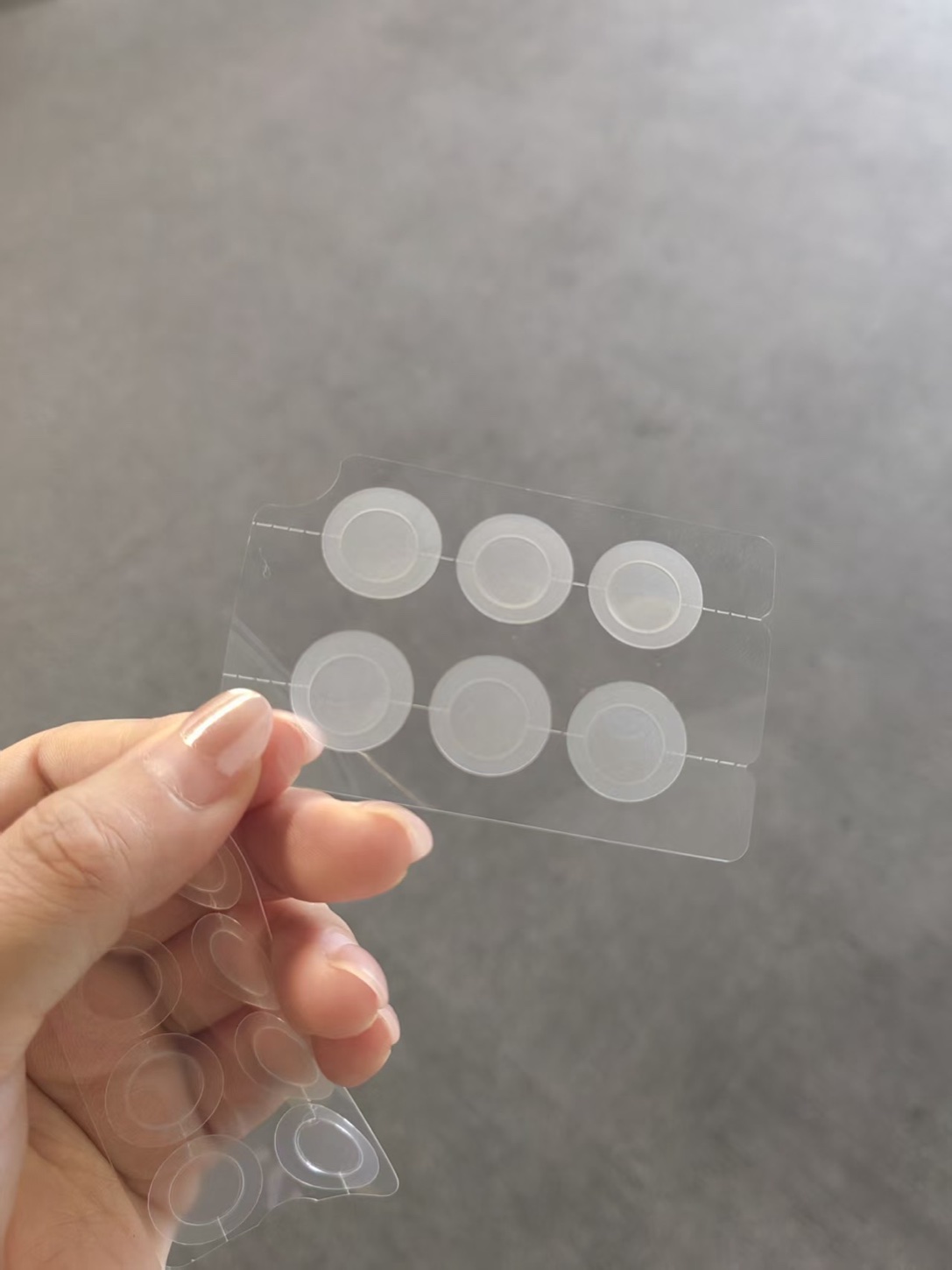
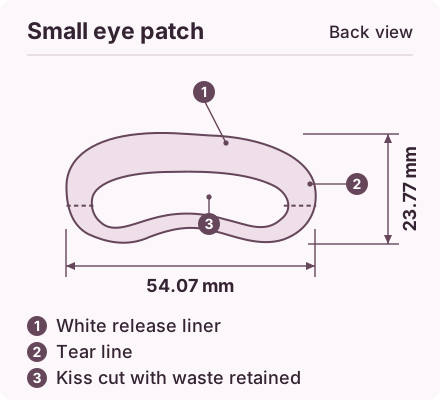
Ask how the selected tray supports the patch and where contact is intended. Review the tray cavity against the largest outline you plan to sell. A pack can look correct from above while a lid or retaining feature touches the textured area when closed.
Check the pouch as an assembly
Place the loaded tray in the proposed pouch, then inspect the edge clearances and opening path. Compare the approved outline to the actual pouch opening. A foil appearance by itself does not establish barrier performance, a seal specification or a shelf-life claim.
Check how the customer reaches the tray
Open the sample in the direction shown on the artwork. Note whether pulling at the notch tears into the tray area or leaves too little space to extract the product. Use those observations to request a revised mock-up before approving the finish and printed layout.
Choose evidence for the seal question you are asking
A pouch can open neatly during a presentation, yet the buyer may also need a numerical description of its seal. ASTM F88/F88M covers seal strength of flexible barrier materials. If a supplier offers such a report, match its specimen and seal location to the quoted pouch. Record tray fit separately by checking whether the crescent can move or touch the lid. A strength reading alone cannot tell your team how the paired pieces sit after transport.
ASTM International · F88/F88M, seal strength of flexible barrier materials
Prepare your inquiry
Inspect the tray and pouch together using the chosen patch size.