
Name the ingredient and the intended product
Celsentra accepts custom ingredient briefs for cosmetic patches. Candidates include hyaluronic acid, vitamin C, niacinamide, glutathione and tranexamic acid. List the exact ingredient identity or INCI name if known. A request for vitamin C, for example, should distinguish the intended form from a supplier-selected derivative.
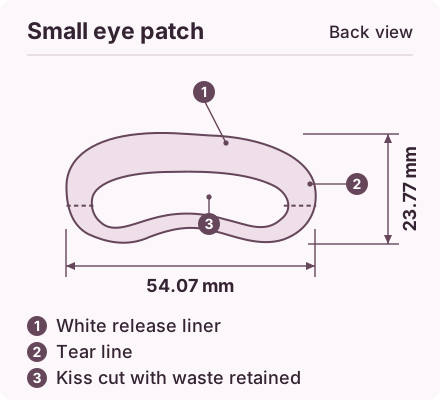
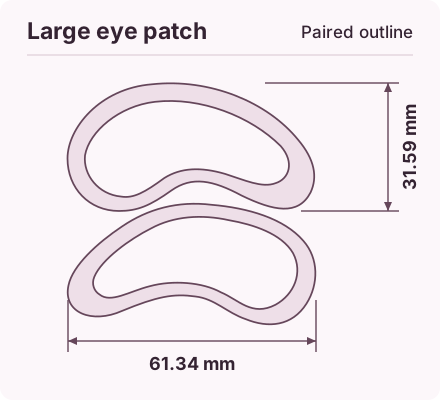
Record which part of the patch carries it
Ask the project reviewer to identify the proposed ingredient in the relevant physical component. A hydrocolloid backing, removable liner and needle-bearing material are different parts of a finished patch. An ingredient appearing on a concept sheet does not tell you where it will appear in a final sample.
Agree what evidence will support the choice
A buyer can start with a preferred ingredient, destination, appearance and desired pack. Ask which compatibility, stability and finished-product evidence is available for that combination. Keep the preferred ingredient and any acceptable substitute separately identified until the project is approved.
Ask which form of vitamin C the paperwork identifies
A carton proposal may say vitamin C while a technical document names ascorbic acid or a derivative. Copy the exact ingredient name from the proposed formula into the sample brief, including any different name used on the reference paper. Lee and colleagues investigated an ascorbic-acid patch in a controlled study. If the quoted formula uses another form, ask the supplier for the evidence and stability information for that version before the brand decides on its copy.
Prepare your inquiry
A named ingredient opens a feasibility review for the selected format.