
Define the unit next to every quantity
An eye-patch quote may count individual pieces, matched pairs or retail cartons. For example, a box containing four individually pouched pairs contains eight patches and four pouches. Write out that conversion wherever a buyer or packaging supplier uses the quantity.
Assign a separate record to material changes
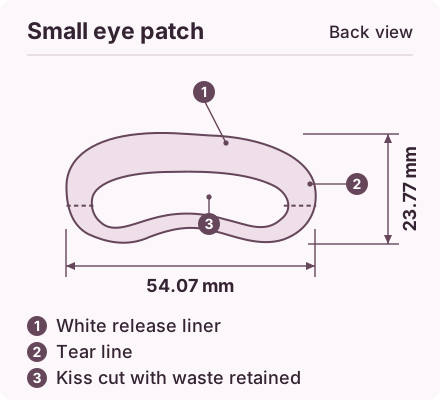
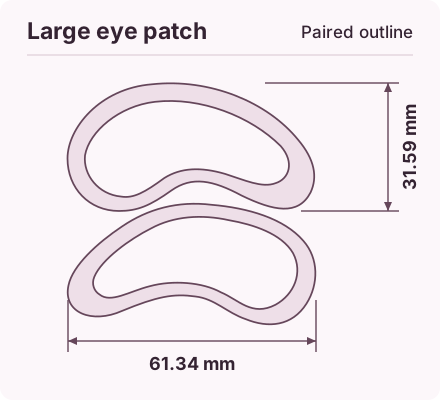
Clear and hydrocolloid versions can share a similar photograph while needing separate ingredient statements, adhesive references or labels. Give each purchasable version a distinct internal code. Align the code to its drawing, backing, tray and artwork revision.
Plan cartons and samples from the same breakdown
For spot patches, specify dots per sheet, sheets per pouch and pouches per carton. This breakdown lets the supplier calculate packaging components and lets receiving reconcile the delivery. If your brand sells a variety pack, describe each included SKU separately.
Convert cartons into the units the factory will pack
For an example order of 200 cartons, each holding three individually pouched pairs, the packer needs 600 filled pouches and 1,200 individual crescents before any agreed allowances. If the carton artwork says six patches, the packing sheet should still state three pairs. Put the carton, pouch and component counts on the same order line. GS1 distinguishes trade items at different packaging levels, which matters when the retail buyer also orders by the shipping case.
GS1 · GTIN Management Standard for products and packaging levels
Prepare your inquiry
A SKU should identify both the physical patch and its saleable presentation.