
Start with the shape the customer will handle
An under-eye pair needs two mirrored pieces, a way to tell them apart and a tray that presents them in the intended orientation. A round blemish patch usually calls for a different comparison: sheet count, ease of lifting one dot and whether the remaining units stay protected.
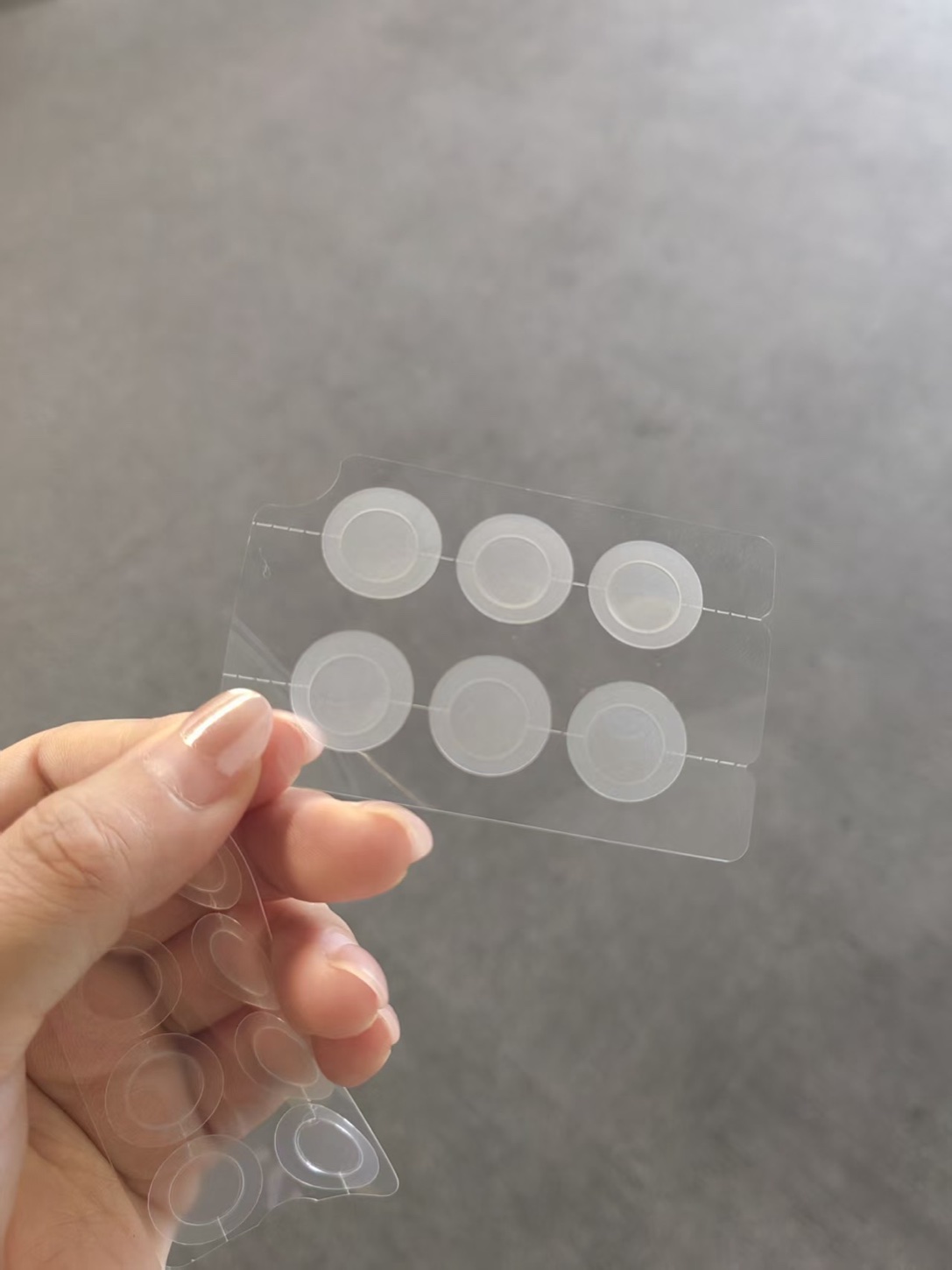
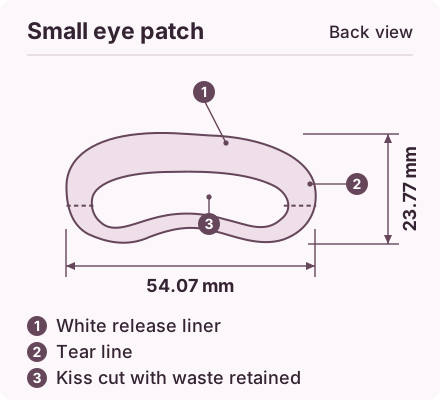
Compare the outline and the textured area
Ask for two outlines on the same drawing. The first shows the full piece, including the smooth border used to handle it. The second shows the needle-bearing field. Two samples with a similar outer silhouette can have quite different active areas.
Identify what actually goes into the box
Specify whether the quoted unit is one piece, one pair, one sheet or a retail carton. Request the drawing revision and one representative opened pack alongside the quote. Those references let your packaging buyer and product developer compare the same item.
Choose which feature gets a separate model number
Lay the candidate formats side by side and list what changes when you move between them. A different crescent radius changes the fit drawing. A different printed sleeve can leave that drawing intact. A change from a full to a partial microarray needs a fresh coverage drawing even when the outer piece stays the same. Ask for the combinations that already have a sample and a drawing. This makes the first shortlist realistic before custom development begins.
HYTANBIO · Supplier illustrations of eye-patch configurations
Prepare your inquiry
Choose a footprint and a pack unit before requesting samples.