
Start with the crop and the caption
Ask for the original, uncropped views and a key identifying the participant, side, region and time point. A temple-side crop can show a different feature from a view centred under the lower lid. Ma and colleagues evaluated both the under-eye area and the corners of the eyes. Use two labels when a source includes both regions. The person preparing a retail deck can then retrieve the intended image without guessing from the direction of the crescent.
Ma et al. (2022) · Imaging of two eye-area features / Journal of Cosmetic Dermatology
Compare features that are visible in both images
Line up fixed landmarks such as the eye corner and nose bridge before examining texture. Check expression, image scale and obvious lighting differences. If one picture has a broad smile and the other has a neutral expression, ask for a matched pair. Pruettijarai and colleagues reported clinician grading of photographs for a specific fold region. That example illustrates the information missing when a sales slide supplies only a dramatic crop and no identification of who assessed it.
Pruettijarai et al. (2022) · A split-face nasolabial-fold study / Skin Research and Technology
Give photographs a clear role in a buyer presentation
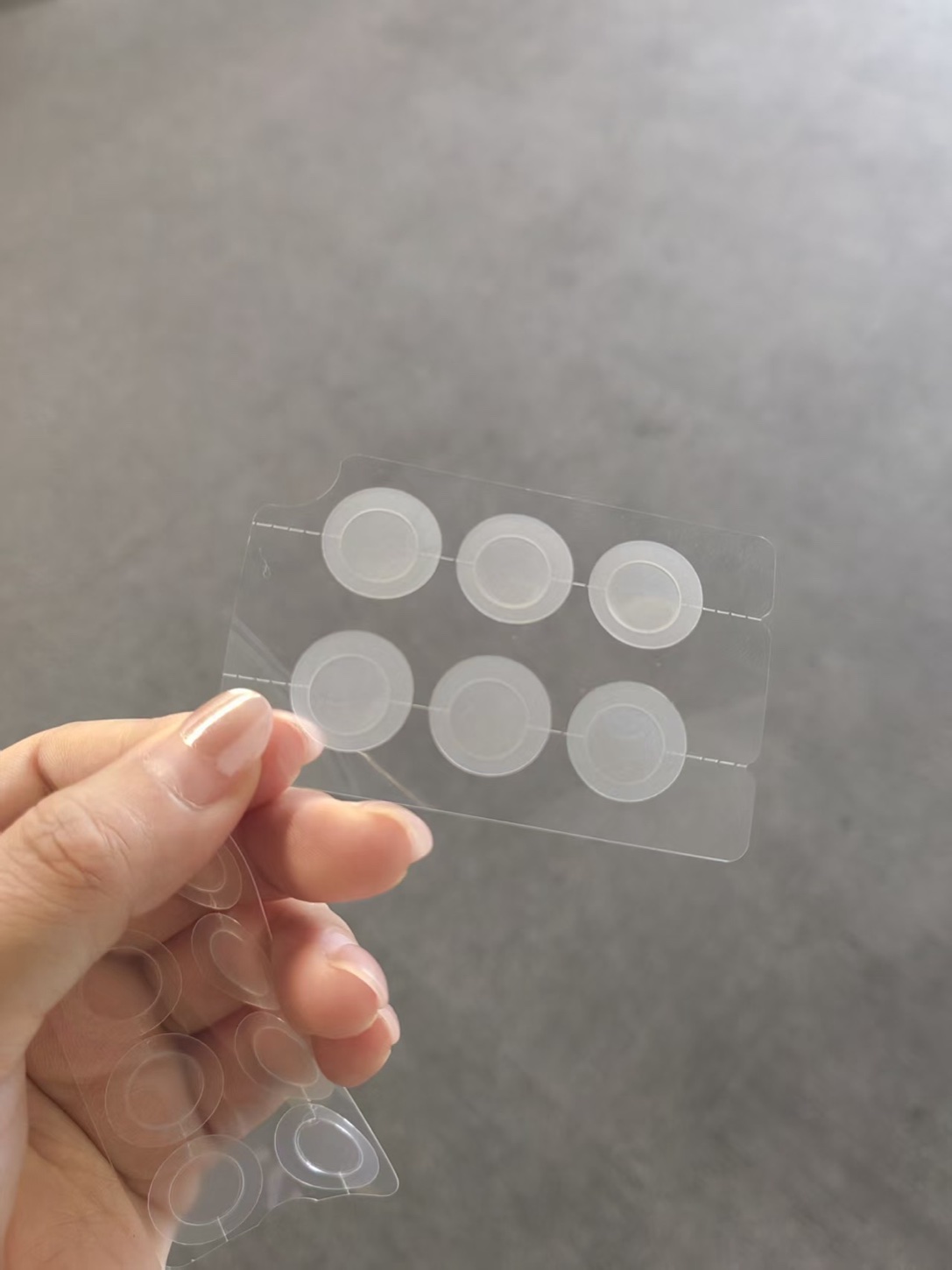
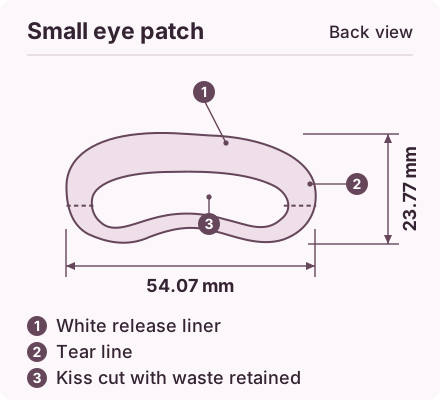
For a retail presentation, use a product image to show how the pair sits in the tray and a labelled study figure to explain what investigators measured when permission for that use is available. A study of detachable eye-area patches by Zvezdin and colleagues combined clinical assessment with other measures. If a customer asks whether one photograph establishes the typical result, direct them to the group results, comparator and time point in the study of the identified format.
Prepare your inquiry
Use pack photographs for presentation decisions and a matched, traceable study figure for measurement discussions.