
Turn the marketing sentence into a question
Suppose a carton proof describes a pair of eye patches as superior to an eye cream. Ask which cream, which feature and at which time point. Hong and colleagues studied a cream, a patch and a combination. Some results differed across evaluation methods. A purchasing team can use the three-arm design to decide exactly which comparison would address the proposed sentence. It should also confirm whether the retail carton includes the same components as the group named in the brief.
Hong et al. (2018) · Patch, cream and combination comparison / Journal of Cosmetic Dermatology
Trace each result to its participant group
Record the group size next to the question it answers. Lee and colleagues reported a wrinkle evaluation in 23 participants and a separate irritation and sensitisation assessment in 51. Combining those numbers would give a false impression of how many people contributed to the wrinkle result. In an evidence summary, give each assessment its own line, with the sample tested and the comparison if one was included. This lets an artwork reviewer follow the figures to the original paper.
Keep an approval decision with the artwork proof
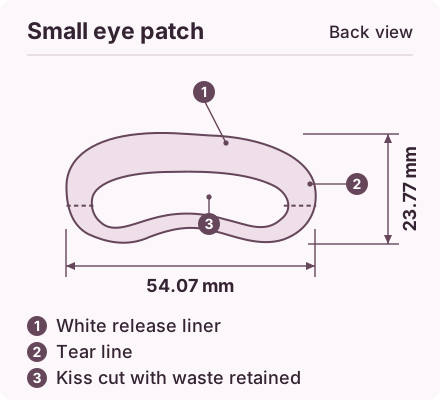
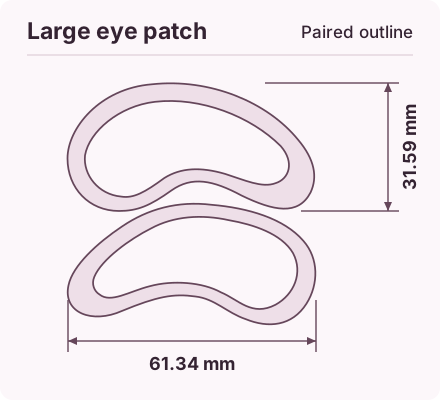
A paper on a detachable cosmetic applicator can offer a useful example of study design. The author, sample, area examined and measurement belong to that paper. If a customer substitutes another material or patch construction, identify who will review the effect of that change on the artwork. For an untested sample, an accurate first proof can describe the physical presentation, such as two curved pieces in a protective tray, while the team evaluates proposed performance wording.
Prepare your inquiry
Keep a traceable link between the exact proposed sentence, the product and the evidence reviewed.