
Choose what the brand will own
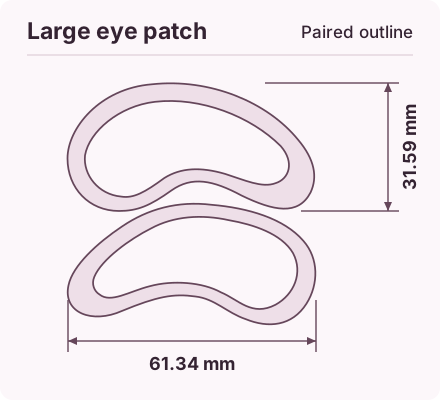
A private-label eye patch can start from an existing crescent with your artwork, or from a revised outline and a new retail presentation. State which parts your brand wants to change: the curve, formulation brief, backing, tray, pouch or carton. This makes the quote easier to compare.
Review the pair in presentation order
Ask to see the product in the same sequence as a shopper: unopened carton, sachet, tray, then the two patches. Check whether the pair is obvious, the pieces can be identified and the opening instructions shown on the mock-up match the sample.
Define the sign-off package
Give the supplier the draft brand name, destination market, pack count and proposed cosmetic wording. Request an unprinted pack before artwork lock if fit is uncertain. Confirm permitted wording against the finished product evidence before approving printed material.
Separate the artwork proof from the evidence for its wording
A purchase brief can approve a branded crescent, carton colour and pair count while keeping the wording under review. Suppose the proposed carton mentions a patch and eye cream. Hong and colleagues tested a patch, a cream and the combination in separate groups. For a box containing only a pair of patches, ask the reviewer to use the results for the matching group and endpoint. Give the approved artwork an identifier so the packer can match it to the specified contents.
Hong et al. (2018) · Patch, cream and combination comparison / Journal of Cosmetic Dermatology
Prepare your inquiry
A practical first sample includes the patch pair and the pack the buyer will open.