
Build a document set around one sample
Start from the sample label and its manufacturer reference. Ask for the matching product description, drawing revision, component list and pack specification. Check that a photographed crescent or sheet can be linked to the item described on those documents.
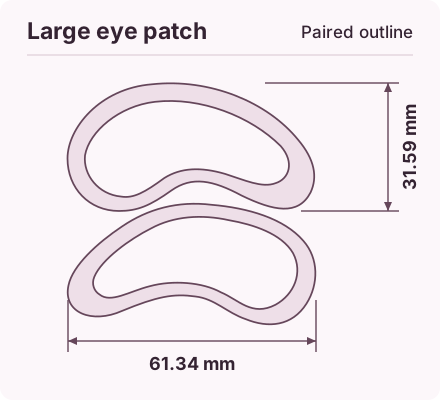
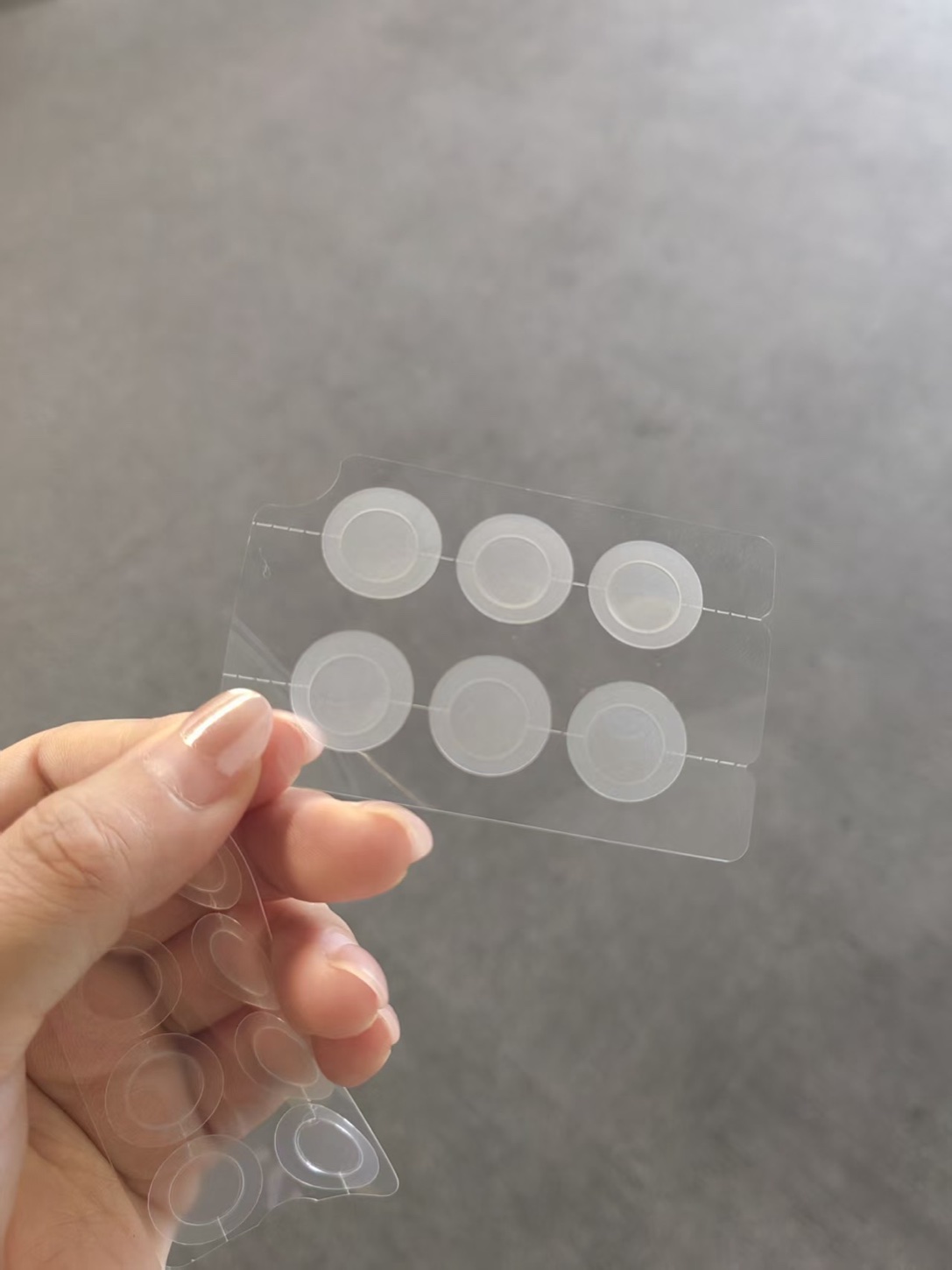
Identify what each report covers
A COA for an ingredient lot, a material data sheet for tape and a finished-patch report answer different questions. Read the material name, lot identifier, issuing party, date and test covered before filing the report. Ask which documents are available for the proposed sample.
Log discrepancies before approval
If the pack count differs from the specification or a report uses an earlier material code, note the discrepancy against that sample. Send one consolidated list to the supplier. Keep the corrected issue and the approval date alongside the retained sample for purchasing and quality teams.
Label a research paper and a lot report differently
Give the evidence folder three entries. File the approved sample photograph and its drawing revision together. File the batch document with its lot identifier and the measurement actually reported. Then file any published research against the formula, format and region it examined. For example, Ma and colleagues investigated eye-area patches in a four-week study. That paper can inform questions about eye-area imaging. The supplier still needs to identify the lot and specification represented by the physical sample you received.
Ma et al. (2022) · Imaging of two eye-area features / Journal of Cosmetic Dermatology
Prepare your inquiry
Tie the document to the named lot, component or finished pack it describes.