
Name the formulation the study actually tested
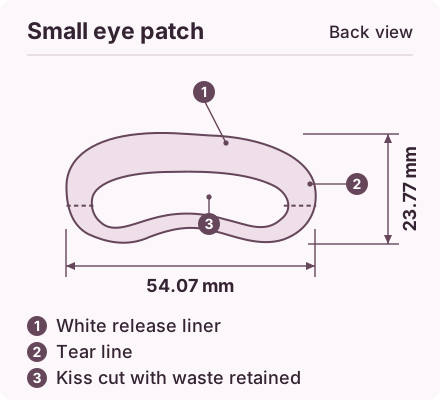
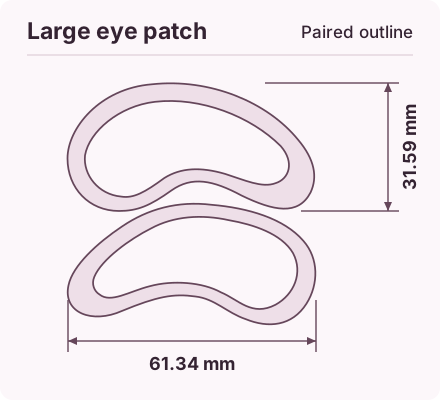
Lee and colleagues compared an ascorbic-acid dissolving patch with a control in a double-blind study. Twenty-three participants took part in the wrinkle evaluation, with the test side varied between groups. The area examined was beside the eye. Those details belong together in a claim review. A photograph of a crescent shape by itself cannot establish that your proposed private-label product contains the same form of vitamin C or has been evaluated in the same place.
Check the outcome behind a percentage request
The authors reported visual grading and measurements taken from skin replicas, including maximum roughness. Suppose a buyer requests a percentage describing brighter-looking skin. The investigated wrinkle measures answer a different question. Ask the customer which appearance feature they want to describe, then request appropriate evidence for their actual sample. Keep the proposed wording, the measurement needed to support it and the status of that evidence together in the artwork approval record.
Issue separate sample and evidence requests
For a first sample, ask for the precise ingredient name, formula revision, outline, backing and pack presentation. For the supporting evidence, ask which formula was assessed, which region was examined and which comparison was used. Ma and colleagues studied a hyaluronic-acid microarray in eye-area imaging research. Its measurement choices may help a team phrase a question about an image, while its ingredient and sample identities should remain attached to that separate study.
Ma et al. (2022) · Imaging of two eye-area features / Journal of Cosmetic Dermatology
Prepare your inquiry
Treat the ingredient identity and the outcome requested for artwork as two separate checks.