Dissolving microneedle patch format selection
Compare under-eye crescents, clear spot patches and targeted facial formats by outline, needle zone and saleable pack.

Compare under-eye pairs and spot patches by outline, backing and pack format. Bring the reference you want to sample or reorder.
Compare under-eye crescents, clear spot patches and targeted facial formats by outline, needle zone and saleable pack.
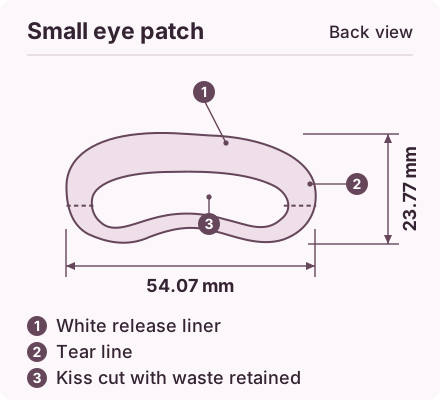
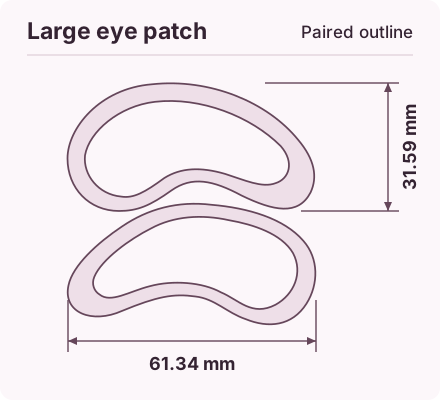
Compare the 54.07 × 23.77 mm and 61.34 × 31.59 mm eye-patch drawing references before choosing a private-label sample.
Plan a cosmetic under-eye pair for your brand, from the crescent and ingredient brief to a signed-off retail carton.
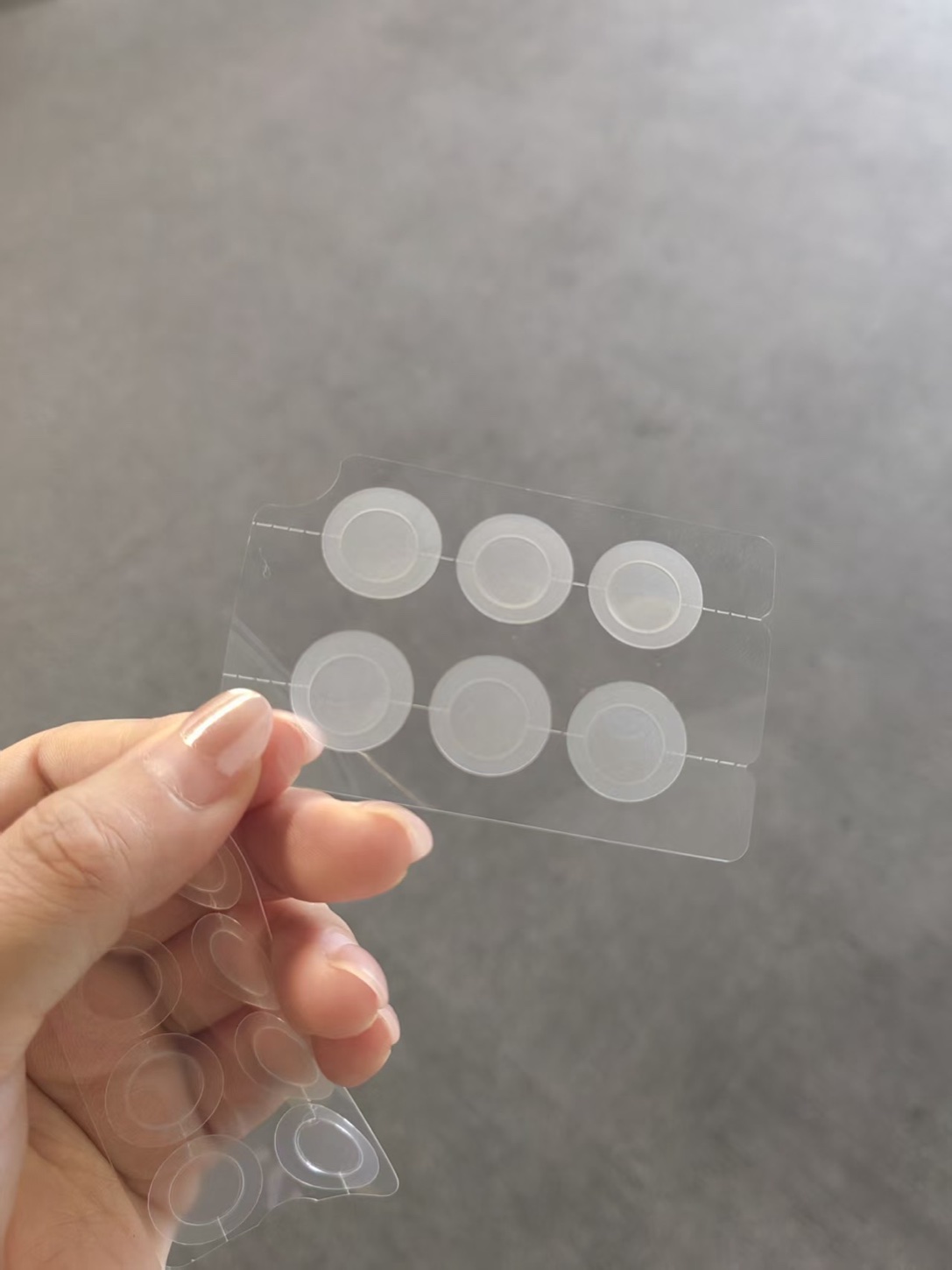
Review clear circular microdart samples, sheet spacing, peel tabs and what to request from a spot patch contract manufacturer.
Learn to compare the needle-bearing zone, total patch footprint and smooth perimeter on cosmetic micro-point array patches.
Decide which parts of a cosmetic microneedle patch can use a reference format and which changes need a bespoke sample.
Compare PE medical tape, hydrocolloid tape and release-liner options when choosing a cosmetic microneedle sample.
Prepare a formulation brief for hyaluronic acid, vitamin C, niacinamide, glutathione or tranexamic acid cosmetic patch concepts.
Request comparable eye and spot samples with labelled reference numbers, matching pack components and a practical review sheet.
Choose the primary pack for a sample pair or a spot sheet and compare cavity clearance, pouch fit and opening sequence.
Set purchasing units for pairs, carrier sheets, sachets and retail cartons so sample approvals and orders use the same count.
Repeat a cosmetic patch order with its format code, approved drawing, packaging artwork and physical reference sample.
Compare forehead, brow and other targeted patch outlines and decide when a new cosmetic shape needs a dedicated sample.
Request a comparable OEM quote covering the model, finished pack, sample scope, order minimum and delivery destination.
Review which drawing, material records, lot identifiers and available COA belong to a specific patch sample.
Identify the patch face, backing and protective pack before choosing which cosmetic samples to request.
Compare a flat hydrocolloid dot with a microdart patch and distinguish the backing from the structured center.
Review the HA material brief, under-eye or spot format, and packed sample for a private-label cosmetic project.
Learn what eye-area photographs, three-dimensional surface measurements and evaluator scores can tell a cosmetic brand reviewing a patch.
Compare the published ascorbic-acid patch study with the ingredient identity, cosmetic positioning and evidence your proposed private-label product needs.
Use facial landmarks, the fold-side reference and product construction to compare a nasolabial patch with an under-eye sample.
An editorial guide for matching eye-area images, identifying what they show and keeping study photographs distinct from product-pack photography.
Turn a proposed carton claim into a specific evidence request covering product identity, comparator, time point and findings.
No matching guides. Try a different word.